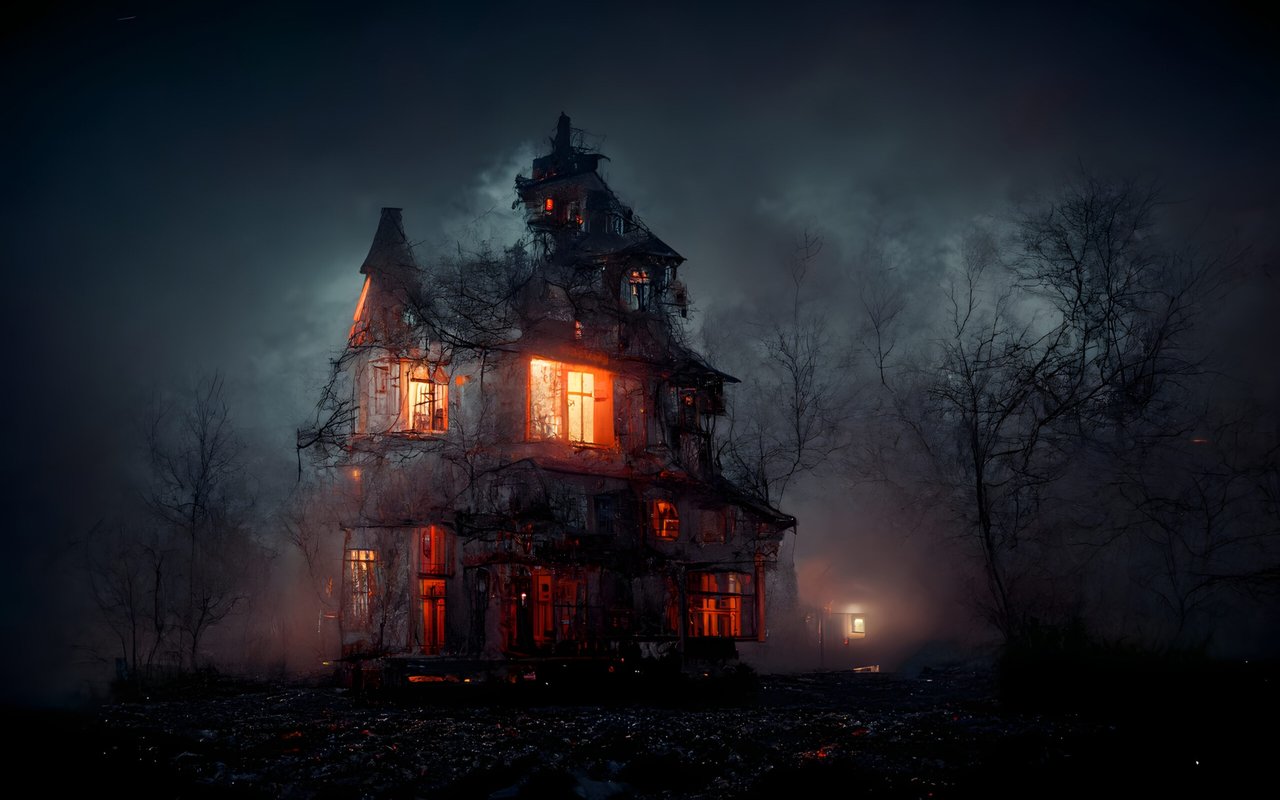
Toronto wears its history quietly. Unlike European cities that boast their centuries-old castles on hills, Toronto hides its oldest homes between glass towers and mid-century blocks.
But look closer in October and you will see something else flickering through the brickwork. Stories of ghosts, apparitions, and strange sounds that refuse to leave. Not horror-movie monsters, but whispers of the past. Proof that in Toronto, heritage sometimes comes with a BOO.
Mackenzie House
On Bond Street, the former home of Toronto’s first mayor, William Lyon Mackenzie, is also one of its most famous haunted addresses. Caretakers have long reported footsteps in empty hallways, phantom piano notes, and the unsettling appearance of a “long-faced woman” at the foot of the bed where Mackenzie died. Whether you believe or not, the stories cling to the walls like old wallpaper.
The Keg Mansion
Once home to the wealthy Massey family, the Jarvis Street mansion now serves steak dinners and a side of ghost stories. The most famous is of a maid who allegedly hanged herself in grief after the death of Lillian Massey. Diners report shadowy figures on the staircase and children’s laughter echoing when no children are present. Not exactly your usual dinner music.
A Grey Figure in the Attic
Built by the Austin family and now a museum, Spadina House sits in the shadow of Casa Loma. It is preserved almost exactly as it was in the 1920s. Some say that preservation includes more than furniture. Visitors describe a grey mist drifting across the upper floors and unexplained cool drafts. A house frozen in time can sometimes feel like it is waiting for someone to return.
Christie Mansion: Room 29
Built for cookie baron William Mellis Christie, this mansion near Queen’s Park has spawned one of Toronto’s most persistent legends. According to lore, Christie kept a mistress hidden in a secret room. When she died, her spirit never left. Students at the University of Toronto, which now uses the building, whisper about Room 29: flickering lights, cold spots, and the feeling of being watched. Urban legend? Probably. But in October, probability is beside the point.
Gibraltar Point Lighthouse
On the Toronto Islands stands the city’s oldest lighthouse. In 1815, its keeper, J.P. Radelmüller, was murdered by soldiers. His body was allegedly hidden in the sand. Over two centuries later, people still claim to see his ghost wandering the tower. The Great Lakes have their share of shipwrecks, but this is Toronto’s most enduring maritime ghost story.
From Ghosts to Grandeur
Not every historic address in Toronto has a ghost, but every one has a story. Some are tales of murder or misty apparitions, others are about ambition, wealth, or resilience. After the whispers of Mackenzie House and the echoes of Gibraltar Point, it is worth remembering that history lingers in many forms, sometimes spectral, sometimes structural.
Which brings us to Casa Loma.
The Castle That Bankrupted a Dreamer
You cannot talk about Toronto’s historic homes without starting at Casa Loma. Built in the early 1900s by financier Sir Henry Pellatt, it was meant to be a monument to power. Modelled after European castles, it included secret passageways, soaring battlements, and gardens that signalled extravagance. Pellatt believed that Toronto needed a castle, and he had the wealth to make it happen. Until he did not. Within a decade, rising taxes and failed investments forced him to abandon it.
Casa Loma’s story is less about ghosts and more about ambition. It remains a landmark, used for films, tours, and events, and it illustrates Toronto’s early 20th-century hunger to look like the great cities overseas. For buyers today, heritage homes still hold that allure. They remind us that prestige is built on vision as much as bricks and mortar.
A Toronto Estate That Feels Frozen in Time
When people Google “2 Post Road Toronto,” they are usually looking for one of the city’s most famous estate homes. Tucked into the Bridle Path area, the property is less about Gothic flourishes and more about scale. Massive, manicured, and unapologetically grand, it shows how Toronto’s wealthy continued to build statements well into the modern era.
Unlike Casa Loma, which attempted to mimic Europe, 2 Post Road is distinctly North American in its approach. It is a fortress of privacy with interiors designed for entertaining at scale. While not as old as the Victorians in The Annex, it has become historic in its own right because of what it represents, the enduring appetite for landmark homes that double as status symbols.
Explore Harvey Kalles properties to see how Toronto’s luxury estates continue this tradition. For buyers, estates like these are less about age and more about narrative. They are chapters in the city’s ongoing story of wealth and aspiration.
A Different Kind of Heritage
Not every historic home is a castle or an estate. Some are modest properties that have survived because of community loyalty and urban planning. 1 Belsize Drive, for example, is often searched because it represents a slice of mid-Toronto character. These smaller, early 20th-century homes may not make the history books, but they are crucial to the texture of the city.
Heritage is not only about extravagance. It is also about continuity. When neighbourhoods retain their smaller homes, they maintain scale and livability. Buyers who value community alongside character often look for these details, and Harvey Kalles agents are positioned to help identify them.
Legal History That Still Matters
Toronto’s oldest homes are full of quirks. Some include fireplaces that no longer work, stained glass windows that have been restored, or original flooring that creaks with age. When buying these properties, the legal distinction between “chattels” and “fixtures” becomes important. A chandelier, for example, may look like part of the home, but legally it may be classified as a chattel that the seller can take.
Understanding this distinction is part of navigating historic real estate. Harvey Kalles’ guide to chattels and fixtures provides clarity for buyers and sellers alike. In older homes, where original details are often what makes the property unique, knowing what stays and what goes is essential.
History Meets Modern Policy
While the city debates zoning, homeowners in historic districts are looking for ways to adapt. Garden suites have been approved as a new housing option, giving owners of larger lots the ability to add secondary units. This intersects directly with heritage properties. Can you add a modern garden suite in the backyard of a century-old home without compromising its character? The city thinks you can, within limits.
Similarly, short-term rentals are changing how historic homes are used. Some owners rent their heritage properties on platforms like Airbnb, turning them into revenue streams. This raises questions about preservation versus profitability. These policy discussions prove that history is not static. It evolves with regulation, demand, and creativity.
For anyone curious about neighbourhood options, Harvey Kalles locations outline where heritage meets opportunity.
Heritage Beyond the City
Toronto may hold the bulk of the GTA’s historic homes, but nearby regions like Prince Edward County extend the narrative. Once known mainly for farmland, the county is now recognized for its wineries, beaches, and heritage homes. Restored farmhouses and Loyalist-era buildings attract buyers who want both character and escape.
Explore Prince Edward County properties through Harvey Kalles and you will see how heritage extends beyond Toronto. For many, these homes offer the best of both worlds, historic architecture with space to breathe.
Retail Heritage
Not all of Toronto’s historic addresses are private homes. The Hudson’s Bay building on Queen Street has stood since 1896. While technically a department store, it has the same architectural gravitas as any mansion. For many Torontonians, it is as much a part of their personal history as any house.
Properties like this illustrate how architecture influences identity. Even if you never shopped there, you knew it was the place where generations went for everything from winter coats to wedding registries. Its looming façade reminds us that not all heritage is residential, but all of it shapes how we feel about the city.
Why History Still Sells
The appeal of historic homes in Toronto is largely due to their scarcity. You can build another condo, but you cannot build another Victorian rowhouse with original stained glass. Once these properties are gone, they are gone. That permanence drives value.
Buyers today are increasingly savvy. They want character, but they also want functionality. Heritage homes that blend the two are the ones that achieve premium prices. Harvey Kalles luxury properties showcase this balance, offering buyers the chance to own a piece of history without sacrificing modern comfort.
Toronto’s Architecture as Storytelling
Toronto is not a city that flaunts its age. But if you know where to look, the stories are everywhere. From the whispers of Mackenzie House to the Gothic ambition of Casa Loma, from the sturdy Victorians of The Annex to the creative conversions of Queen West, history reveals itself in brick and stone. These homes remind us that real estate is never just about square footage. It is about narrative, continuity, and character.
If you are ready to explore Toronto’s historic homes, whether as a buyer, seller, or simply an admirer, Harvey Kalles Real Estate has the expertise and network to guide you. Their agents understand that a property’s story is just as important as its market value, and they are positioned to connect you with both.