2025 in Review and a Look Ahead to 2026
For my final memo for 2025, I think it’s worth taking a moment to reflect on a year that challenged expectations and rarely followed a straight line. This forced a lot of homeowners, buyers, and industry professionals to adapt. I hope it gives you a clear, grounded view of where we’ve been and where we’re heading.
A Year of Adjustment
2025 began with cautious optimism. Interest rate cuts were expected to bring buyers back, and many hoped the market would stabilize after a couple of volatile years. Instead, the year unfolded as a period of adjustment, driven by a mix of economic, political, and structural forces.
One early driver was uncertainty tied to U.S. tariff policy, which weighed on business confidence and slowed economic momentum in the first half of the year. While the impact wasn’t as visible as day-to-day mortgage rates, it contributed to a hesitancy among buyers and developers who were already dealing with higher financing costs and shifting affordability.
Layered on top of that was the Canadian federal election, which kept housing front and centre, and froze many decisions until the election results were known. This situation didn’t change fundamentals, but it did reinforce that housing has become a national priority.
Sales Slow, Supply Rises, and Prices Reset
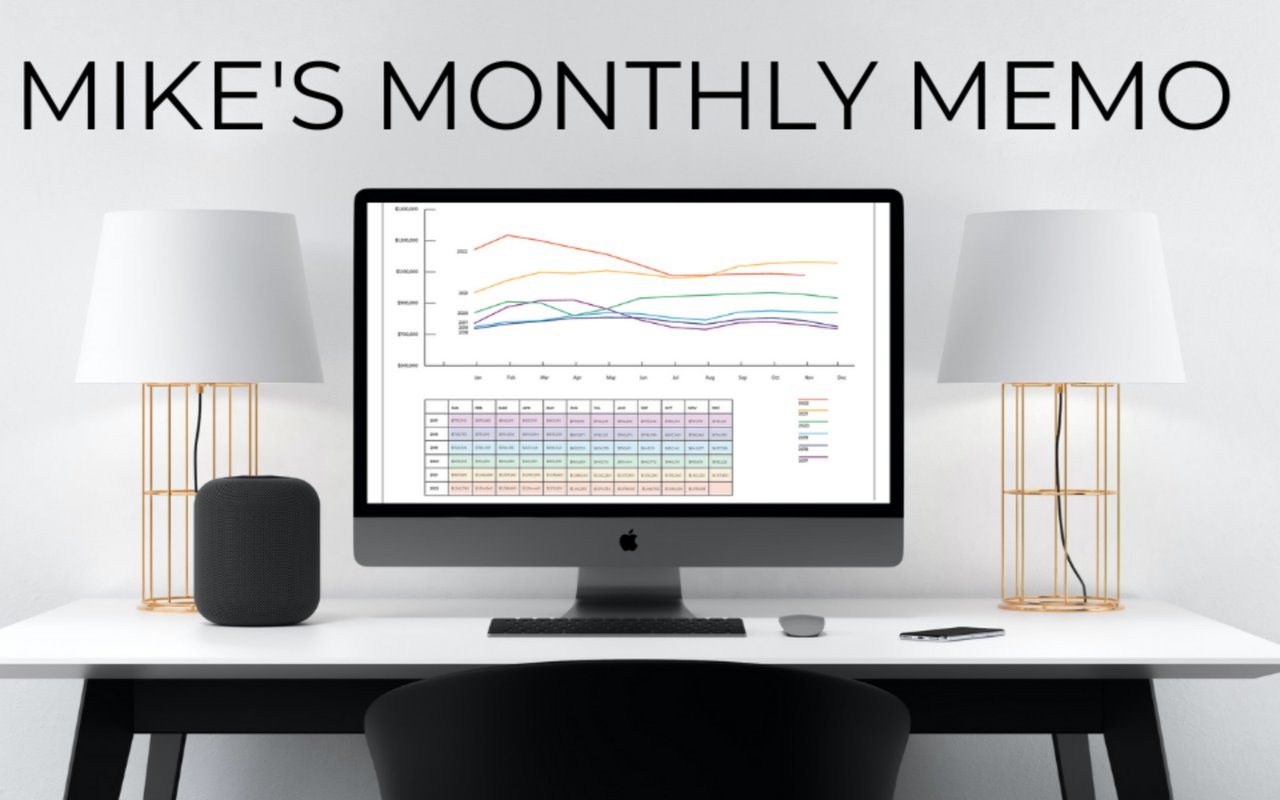
The dominant story of the GTA market in 2025 was a return to more buyer-friendly conditions. Prices eased modestly from 2024, with the GTA average trending down roughly 4% to 8% in November, depending upon the segment.
The bigger story was on inventory and absorption. Listings increased through the year, giving buyers more choice and leverage. Sellers who tested the waters with over-priced homes, often found limited engagement, longer days on market, and ultimately, a need to reset expectations.
The data illustrates the shift clearly. For 2025, the Toronto Regional Real Estate Board is on pace for roughly 62,000 sales, a level well below historical norms. As a reference, the 10-year average is closer to 86,000, so activity this year has been substantially lower.
And perhaps the most striking statistic…for 2025, in the City of Toronto, 64% of listings that came off the MLS did so for reasons other than a successful sale: the listings either expired, were suspended, or were terminated. These were not all inferior homes that lacked adequate marketing. Many were simply priced beyond what the market was willing to bear.
The Pre-Construction Market Hit the Wall
While resale worked through a soft landing, the pre-construction condo sector entered a much more dramatic correction. Sales volumes fell to multi-decade lows, launches were paused, and several large projects were delayed or cancelled.
High interest rates, shifting investor sentiment, and rental economics made many projects financially unviable. It will take time for this sector to find equilibrium again. This will happen as the market works its way through the available inventory.
Looking Ahead: The Price Misalignment Problem
As we move into 2026, I believe the biggest challenge (and opportunity) in real estate is closing the gap between seller expectations and buyer capacity.
Many sellers remain anchored to 2022 or 2023 prices, while today’s buyers are making decisions based on today’s lending environment and inventory levels. The risk is that homeowners who hold firmly to yesterday’s pricing may watch their largest asset sell later for less money, after months of carrying costs and diminishing comparable values.
This is where smart pricing and strong representation matter. The right price isn’t about leaving money on the table. Rather, it’s about positioning a property to attract serious buyers, reduce time on the market, and protect long-term value.
Strategy Will Separate Winners from Frustrated Participants
Looking forward, I believe that 2026 will reward clarity, data, and professionalism. Sellers who align with current market dynamics will transact efficiently and be pleased. Buyers will continue to have options, though improved affordability, and stable rates may gradually bring more participants back into the market.
The role of the realtor, in this environment, is less about riding momentum and more about guiding outcomes: interpreting data, setting strategy, negotiating with purpose, and helping clients make informed decisions in a market that remains very price sensitive.
On behalf of our entire Kalles team, thank you for your trust, engagement, and support this year. We wish you a happy, healthy holiday season, and we look forward to working with you in 2026.