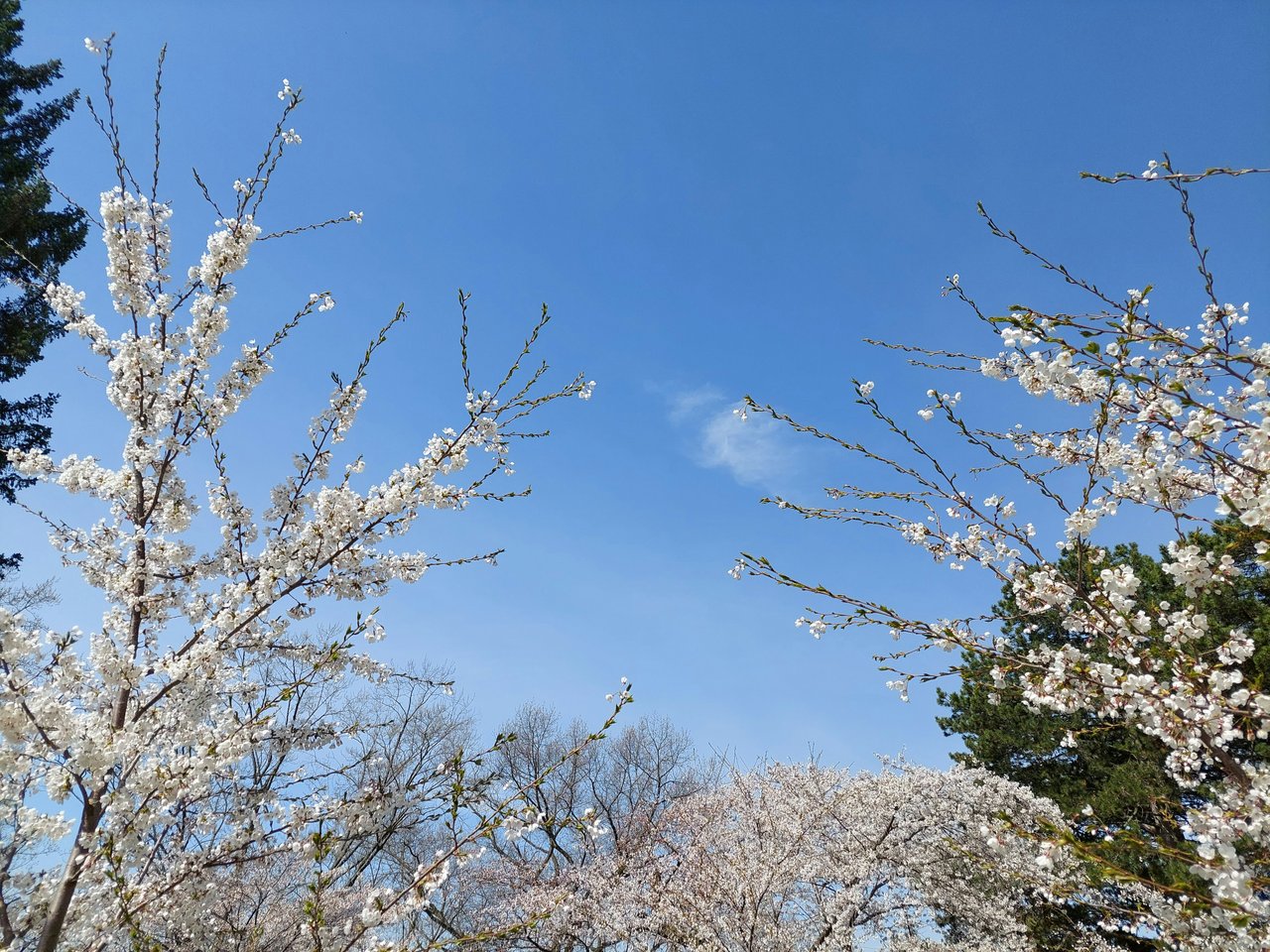
There is a moment in early April when Toronto collectively remembers it has a body. The scarves come off. People walk slower, look up more, and suddenly the ravines are full again, as though nobody planned it. Which, of course, nobody did. It just happens, the same way it does every year, with the same quiet relief.
This city does winter well enough. But spring is where it actually shines.
What Makes Toronto's Green Spaces Genuinely Unusual
A Ravine System Most Cities Would Envy
Toronto contains over 11,000 hectares of ravine land woven through its urban fabric, which makes it one of the most significantly ravined cities in North America. These are not engineered greenways or weekend novelties. They are remnants of glacial geography, carved by rivers and creeks over thousands of years, and they run through the middle of neighbourhoods where some of the country's most beautiful homes happen to sit.
That is not a coincidence. Buyers who understand this city have always understood that ravine access is one of the most enduring forms of residential value there is. It does not depreciate. It does not go out of style. It is simply there, four seasons a year, doing its quiet work.
Why April Is the Best Month to Actually See It
The ravines are technically accessible year-round, but April is when they reveal themselves. The canopy has not yet filled in, which means the sightlines are long and the light reaches the forest floor in a way it will not manage again until October. Trout lilies push through the leaf litter. Red-winged blackbirds are back in the cattail marshes. The Don River runs louder and faster with snowmelt, and the trails smell like wet earth and cold air and something that is genuinely difficult to describe to anyone who did not grow up in Ontario.
Families who have been making school decisions and neighbourhood decisions based partly on access to outdoor space tend to spend a lot of April reconvincing themselves they made the right call. They almost always did.
The Trails Worth Rediscovering
The Don Valley: The City's Backbone
The Lower Don Trail runs from the waterfront north to Pottery Road, connecting some of the city's most quietly coveted addresses along the way. Residents of Leaside, Moore Park, and Rosedale use this corridor not as a destination but as part of a daily rhythm. A morning run before a Bay Street meeting. A walk with the dog before school pickup. The kind of access that, once you have it, becomes very difficult to give up.
For anyone browsing current properties across these neighbourhoods, it is worth noting which streets connect directly to the trail system versus which ones require a drive to reach it. The distinction matters more than people expect, and it tends to show up in how a home feels to live in rather than how it photographs.
High Park: More Than the Blossoms

High Park gets its annual moment in April when the Kwanzan cherry trees along Sakura Avenue produce a canopy of deep pink blossoms that draws half the city to the west end for what is, in some years, a ten-day window. People set alarms. They arrive before the crowds. They take approximately the same photograph that has been taken there every April for thirty years, and they do not regret it.
What fewer people take the time to find is the Black Oak Savanna at the park's south end. At 161 hectares, High Park is large enough that its rarer ecosystems stay genuinely quiet even during the cherry blossom rush. The savanna is a provincially significant natural heritage feature, supporting plant species found nowhere else in the region. In April, before the leaves close in, it is one of the more remarkable things you can walk through in this city without paying admission or booking in advance.
Residents of Roncesvalles, Bloor West Village, and the High Park neighbourhood itself treat the park the way people in other cities treat a very good street. It is simply part of the address.
The Beltline Trail: Midtown's Best-Kept Open Secret
The Belt Line Trail follows the path of a nineteenth-century railway that once ran a loop around the city. Today it connects Mount Pleasant Cemetery to Allen Road through a narrow corridor of tree canopy that, in April, smells like bark and mud and cold running water from the nearby creeks. It is narrow enough to feel removed from the city. It is accessible enough that it functions as a genuine daily route for residents of Forest Hill, Cedarvale, and the Yonge and Eglinton corridor.
This is the kind of amenity that distinguishes certain Toronto addresses from otherwise comparable ones. It does not appear in a listing's square footage. It does not show up in a floor plan. But it shows up in how a neighbourhood feels to live in, and it is the sort of thing people mention, unprompted, when you ask them what they like best about where they ended up.
Cedarvale Ravine: The One That Earns a Genuine Reaction
The first time most people walk into Cedarvale Ravine, they stop. Not to take a photograph, just to take stock of the fact that something this large and this genuinely wild exists inside such a dense residential context. Stretching from Lawrence Avenue south toward St. Clair, the ravine includes open meadow sections, forested hillsides, and the remnants of Alexander Muir Memorial Gardens, which in late April begins to show early perennial colour along its more formal pathways.
Lawrence Park, Lytton Park, and Forest Hill North all back onto this system in various ways. Buyers in these communities tend to know it well. According to a 2024 survey by the Canadian Urban Institute, proximity to parks and trails ranks among the top five factors cited by Toronto homebuyers when evaluating neighbourhoods, which is a data point worth sitting with when you consider that these communities have offered that proximity for generations.
Evergreen Brick Works: Where the Ravine Becomes a Gathering Place
At the base of the Don Valley, accessible from Rosedale Valley Road or via the trail system itself, the Evergreen Brick Works is one of the more interesting urban transformations this city has pulled off. A former industrial quarry and brick manufacturing facility now operates as a community environmental centre, farmers' market venue, and gateway to the broader ravine network. The Saturday market resumes in earnest in April. The native plant sale draws serious gardeners from across the city. The surrounding wetlands come alive with migratory birds moving through on their way north.
It tells you something about a neighbourhood when a facility like this becomes part of ordinary weekend life. Rosedale, Moore Park, and Cabbagetown all share proximity to it, and all share a set of values that makes that proximity feel like it fits.
What April Actually Reveals About a Neighbourhood
The Texture of Daily Life You Cannot See in a Listing
Experienced agents will tell buyers to visit a neighbourhood in more than one season, and they mean it. A street that reads beautifully in July reveals a completely different character in February, and a neighbourhood that seems unremarkable in winter can become one of the most compelling places in the city once April arrives and the trails fill up again.
What April shows you is who lives somewhere and how they live there. The parents with strollers on the Beltline at 8 a.m. The older couple who have clearly been walking the same ravine loop for twenty years. The teenagers on their bikes cutting through the park because it is faster than the road. This is the texture that matters and the texture that does not photograph.
The Connection Between Green Space and Long-Term Value
Streets that back onto ravine land, that offer direct trail access, or that sit within genuine walking distance of a significant park consistently attract buyers who understand what they are looking at. This is not seasonal sentiment. It is a structural feature of how Toronto's best residential neighbourhoods hold and build value over time. The green space is not amenity. It is architecture.
Our team at Harvey Kalles Real Estate has spent decades working in the communities that border this city's trail and ravine system. We understand which streets deliver on the promise of outdoor living and which ones simply neighbour it in the loosest sense of the word.
Ready to Find Yours?
April is a good time to start. The city is at its most honest right now, showing you exactly what it looks like when it is working well. If you would like guidance from people who have walked these neighbourhoods across every season, we would genuinely love to help you find the right fit.