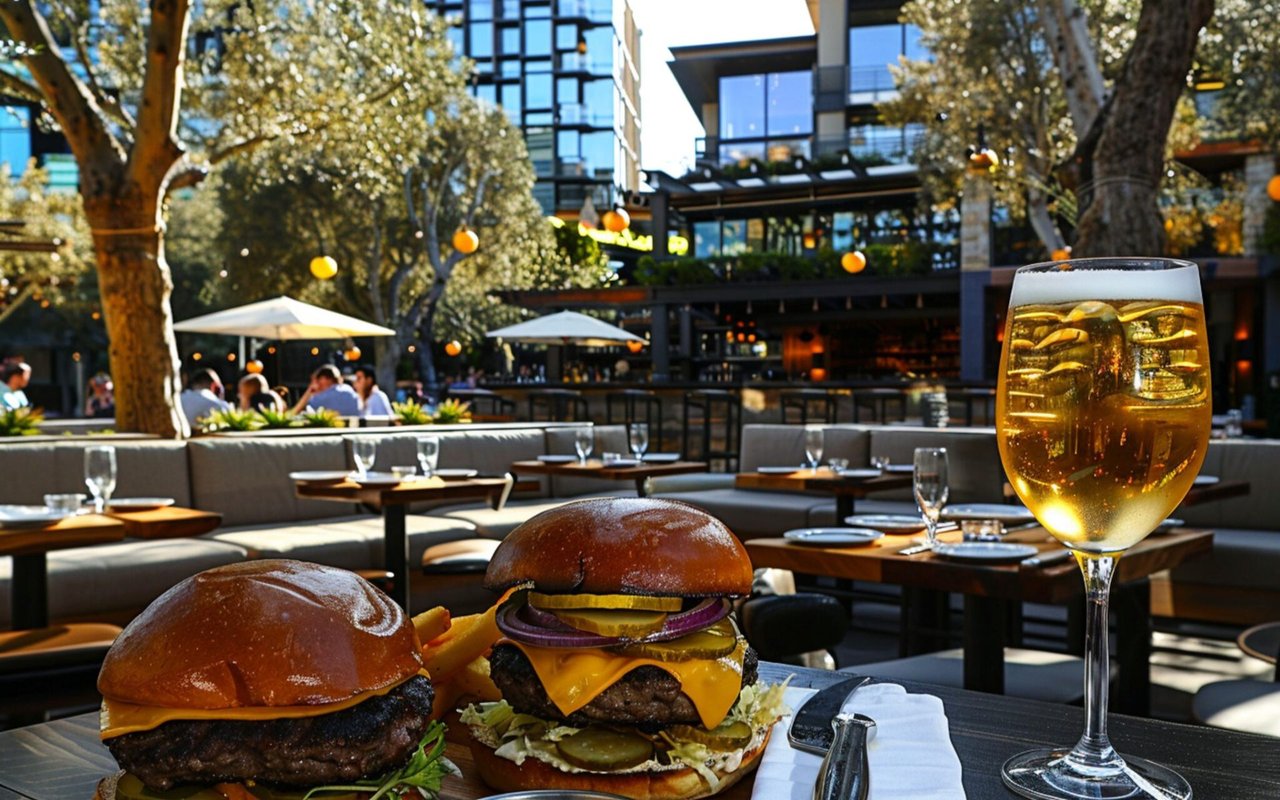
Toronto is a city that works hard and plays harder. By day, its streets hum with Bay Street professionals, medical residents, tech founders, and creatives moving from pitch meetings to coffee catchups. But once the laptops close and the lanyards are stashed away, a different map of the city comes alive.
The after-hours dining scene is where Toronto reveals its secrets: hidden diners that still serve food at 2 a.m., wine bars with dim lighting and plates designed for conversation, and corner restaurants where the chefs to gather once their shifts are done.
This is where Toronto eats when it is off the clock. And like any insider’s guide, it is best understood by those who know the city not just as a skyline but as a living, breathing neighbourhood of tastes, cultures, and rhythms.
King West and the Power Dinner That Isn’t Really Work
King West has a reputation. By day, it is sleek glass offices and loft-style workspaces. By night, it becomes the boardroom without the boardroom table. Places like Buca or Patria hum with professionals extending their workdays over small plates and cocktails that cost as much as lunch in another part of town.
This area is where many young professionals dream of living, drawn to its energy and lifestyle perks. It is not surprising that Harvey Kalles Real Estate often highlights King West condos and lofts when discussing the best Toronto neighbourhoods for young professionals. After all, when your office, your gym, and your after-hours hangout are within a short walk of your front door, convenience starts to look like luxury.
Yorkville’s Quiet Confidence
Yorkville wears its affluence quietly these days. Yes, there are still the luxury boutiques and five-star hotels, but step into places like Dbar at the Four Seasons or Sassafraz and you find a crowd that is decidedly more relaxed than the lunch rush. Off the clock, Yorkville attracts those who want refinement without fuss.
It is no coincidence that Yorkville is also home to some of the city’s most desirable addresses. The pairing of fine dining and fine living is seamless, and those browsing through Harvey Kalles’ luxury properties will quickly see how this neighbourhood blends prestige with lifestyle.
Ossington Strip and the Chef’s Hour
Ask around and you will hear a common refrain: chefs eat on Ossington. The strip has become a post-service ritual, a place where industry insiders go to grab a drink or a plate after they have spent all day feeding everyone else. Bar Isabel, Paris, Paris, and Pho Tien Thanh are staples in this rotation. The vibe is casual, but the flavours are uncompromising.
For Toronto residents, living close to Ossington is a chance to be part of the city’s cultural heartbeat. It is not just about the homes, but the lifestyle orbit that surrounds them. Knowing which neighbourhoods capture this mix of food and community is something Harvey Kalles agents excel at because a home is not just about what’s inside, but also about what is just outside your front door.
Midtown and the Comfort of Familiar Tables
Midtown Toronto might not have the nightlife buzz of downtown, but it does have staying power. Restaurants like Scaramouche or long-standing Italian institutions make it a neighbourhood where people know their server’s name and their order is remembered before it is spoken.
When people move to midtown Toronto, they are often looking for both convenience and a sense of community. The dining scene reflects that balance. To understand the character of midtown more deeply, it helps to explore guides like Inside Midtown: Navigating Toronto’s Central District. The area offers both upscale dining and casual haunts, all within walking distance of some of the city’s most desirable residential streets.
Kensington Market and the Night That Never Ends
If King West is polished and Yorkville is refined, Kensington is unruly in the best way. Here, after work might mean tacos eaten on a stool, ramen at a shop so small it fogs up instantly, or a beer on a hidden patio that feels like someone’s backyard. Places like Seven Lives and Cold Tea are where the city gathers when it wants to avoid structure.
The appeal of Kensington lies in its authenticity. People do not just visit this neighbourhood, they claim it as part of their identity. This is the sort of place where real estate and lifestyle blur, because when someone moves here, they are buying into an ethos as much as an address.
East End Energy
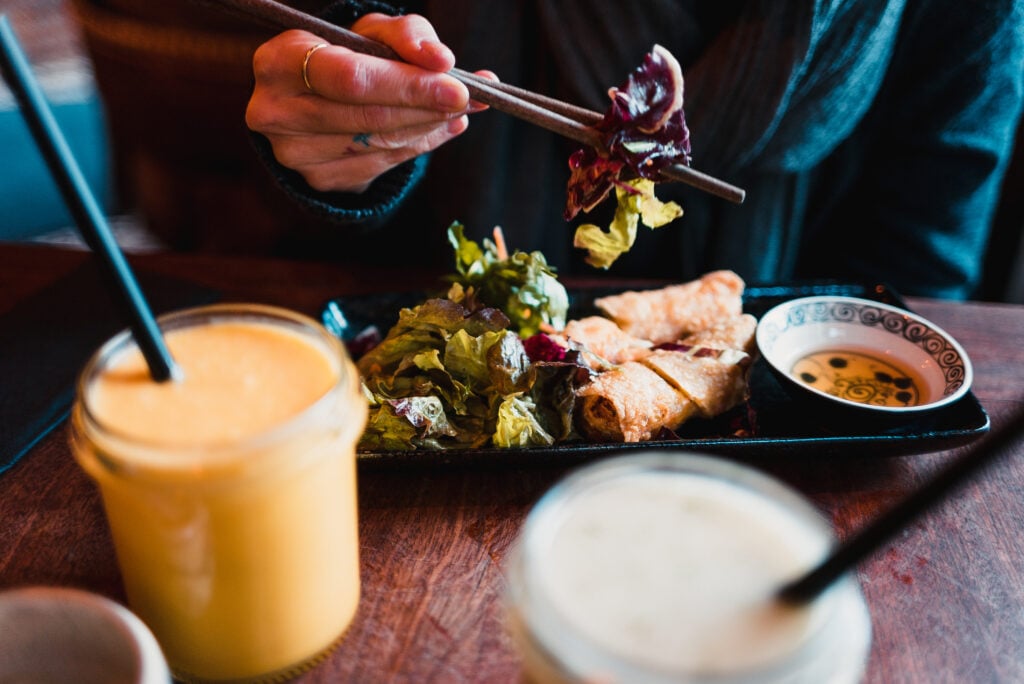
The east end often feels like the city’s testing ground for new culinary ideas. Ascari Enoteca in Leslieville or Lake Inez in Little India are where diners go to experience something they might not find elsewhere in Toronto. These neighbourhoods balance residential calm with bursts of cultural energy.
The growth in the east end has been significant, and it is no longer considered a secondary choice for buyers. The mix of strong schools, community-oriented living, and a vibrant food scene has placed it on the radar of families and young professionals alike. For those weighing their options, insights into the Toronto neighbourhoods with the best schools often bring the east end into focus.
Beyond Toronto
When Torontonians really want to step off the clock, they head north. Muskoka, Haliburton, and the Kawarthas are dotted with restaurants that feel like extensions of the city’s culinary scene but framed by lakes and forests. From dockside fish fries to fine dining at hidden lodges, the food culture outside Toronto reflects both tradition and experimentation.
For buyers who want to merge city life with weekend escapes, the options are plentiful. The draw of cottage country properties is not just the home itself, but also the experiences that come with it: long meals, quiet mornings, and evenings by the water.
Food and Real Estate = A Shared Language
At first glance, food and real estate may not seem connected. But consider the rhythm of a neighbourhood: its cafés, bakeries, restaurants, and markets. These are the landmarks people use to describe where they live and why they love it. Saying you live near St. Lawrence Market is shorthand for access to fresh ingredients, historic architecture, and a certain kind of downtown lifestyle.
The agents at Harvey Kalles understand this connection. When they talk about a property, they are also talking about the community it sits within. Sometimes that means proximity to transit or schools. Other times, it means being a short walk from a restaurant where the city itself goes to unwind.
The Suburban Table
It would be a mistake to think Toronto’s food life stops at the city border. Richmond Hill, Vaughan, and Markham are culinary destinations in their own right, particularly for diverse global cuisines. Late-night dim sum, authentic regional Chinese dishes, and international bakeries thrive in these communities.
For buyers looking to balance suburban living with access to exceptional food, these areas offer a compelling case. The mix of large homes and unmatched dining scenes demonstrates how lifestyle often extends beyond the city’s core. Browsing Harvey Kalles properties in these communities shows how value and culture can coexist.
The Ritual of the Late Night Bite
What unites Toronto’s off-the-clock dining culture is ritual. The same way people choose their homes based on a neighbourhood’s feel, they choose their restaurants based on comfort, community, and connection. The food is part of it, but it is also about belonging somewhere.
That belonging is why some people will cross the city at midnight for a bowl of pho, while others will only eat at the trattoria on their corner.
Toronto after hours is a reminder that this city never really stops moving. Its food scene is an extension of its character: diverse, ambitious, and always evolving. From King West boardrooms turned dining rooms, to Ossington chef haunts and Leslieville experiments, the city’s off-the-clock eating habits map its identity as clearly as its grid of streets.
Harvey Kalles Real Estate positions itself not just as a brokerage but as a guide to the rhythms that make Toronto livable. Because knowing where to eat after hours is part of knowing where to live. And when the clock strikes five, the city is only just getting started.