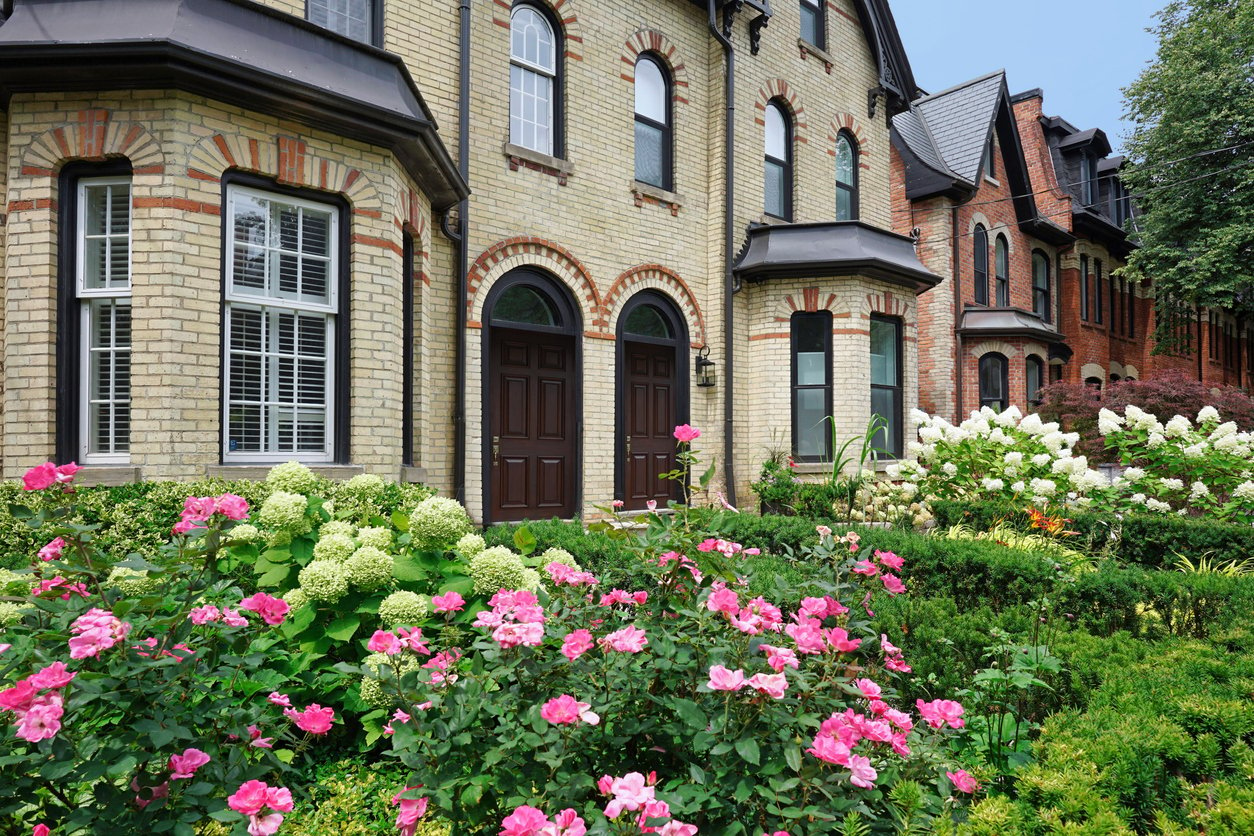
Toronto is often described as a city in motion. We speak about cranes, growth, transit lines, intensification, and the next neighbourhood poised to rise. The language of the market is usually about what is changing, what is launching, and what is coming soon. Yet some of the most enduring values in Toronto have always come from the opposite force. It comes from streets that have remained coherent, dignified, and visually confident through decades of economic shifts and changing tastes.
These are the streets buyers respond to instinctively. They may not always know how to explain the feeling, but they recognize it immediately. The homes relate to one another in scale. The streetscape feels composed rather than chaotic. Mature trees soften the architecture. Renovations tend to respect what was there before rather than erasing it. There is a sense that the street has standards, even if no one has formally written them down.
That sense of order matters more than many people realize.
Real estate is often discussed at the level of the individual property, but buyers are never purchasing a house in isolation. They are purchasing the neighbouring homes, the visual experience outside the windows, the rhythm of the block, and the long-term confidence that comes from knowing the surrounding environment is likely to remain desirable. A beautifully renovated house on an uncertain street is one proposition. A strong home on an architecturally respected street is another entirely.
At Harvey Kalles Real Estate, understanding that distinction has long been part of advising clients thoughtfully, particularly those who are looking beyond short-term excitement and toward lasting value.
Why Street-Level Architecture Influences Value
When a street has visual consistency, buyers tend to interpret that consistency as evidence of stewardship. They assume owners have invested carefully, that planning controls may be stronger, that neighbours are attentive, and that future changes are more likely to enhance rather than undermine the area. Those assumptions are not superficial. In many cases, they are grounded in reality.
This is one reason some streets remain highly desirable through changing market conditions. They project stability and feell established. They reduce the sense of risk that can accompany major purchases.
Experienced buyers understand that a kitchen can be replaced, flooring can be updated, and layouts can be reworked, but the broader streetscape is far more difficult to change. The street often outlasts the house in importance.
It is why many clients seek guidance from the best real estate agents in Toronto, because knowledgeable advisors understand that enduring value is often found in context as much as in craftsmanship.
A Study in Quiet Permanence
Few Toronto neighbourhoods illustrate this better than Rosedale. Rosedale has maintained its reputation for generations because it combines architectural quality with landscape in a way that feels natural, rather than theatrical. Curving roads, ravine edges, generous setbacks, and substantial homes create a neighbourhood that feels settled and assured.
Architecturally, Rosedale offers a rich mix of Georgian, Tudor Revival, Edwardian, and sensitively updated contemporary residences. Despite stylistic differences, the overall effect remains harmonious because the homes share proportion, material quality, and a respect for scale.
The neighbourhood also benefits from privacy without isolation, which is a rare combination in a major city. Residents enjoy seclusion while remaining close to downtown, culture, and commerce. That balance has helped preserve Rosedale’s standing as one of Toronto’s most reliable long-term markets.
Character With Intellectual Energy
The Annex offers a different kind of prestige. Where Rosedale is understated, The Annex is expressive and richly detailed.
Its grand Victorian and Richardsonian Romanesque homes feature stonework, brick detailing, porches, turrets, and façades that reward attention. These houses were built with personality, and the streets still benefit from that layered visual texture today.
What strengthens The Annex further is its location near universities, transit, independent retail, and much of Toronto's arts and culture scene. Buyers are not simply purchasing architectural character. They are buying access to one of the city’s most intellectually and culturally active districts.
That combination of beauty and relevance tends to hold value well over time.
Heritage Done at Scale
Cabbagetown demonstrates why preservation becomes especially powerful when it exists across entire streets rather than in isolated pockets.
The area is known for its extensive rows of Victorian homes, many carefully restored and maintained. Instead of one heritage house surrounded by incompatible development, Cabbagetown offers block after block of continuity. This creates immersion, which is one of the most valuable qualities heritage districts can offer.
Buyers respond strongly to environments that feel complete. A coherent streetscape allows architecture to function as more than decoration. It becomes an atmosphere, identity, and a meaningful part of everyday life.
Cabbagetown also benefits from parks, walkability, and proximity to downtown, which further reinforces demand.
Refined and Increasingly Relevant
Summerhill has drawn growing attention because it offers a particularly modern form of desirability.
Summerhill combines elegant residential streets with practical daily convenience. Architecturally, the neighbourhood includes handsome detached homes, classic brick residences, and thoughtful newer additions that generally respect the established tone of the area.
What distinguishes Summerhill is that it feels graceful without feeling remote. Shops, cafés, schools, transit, and services are integrated into the surrounding fabric, allowing residents to live comfortably without sacrificing neighbourhood charm.
Many luxury buyers now prioritize this combination of beauty and usability, which helps explain Summerhill’s continued rise in profile.
Reinvention With Identity Intact
Yorkville has changed dramatically over the decades, yet it remains architecturally significant because it has managed to evolve without becoming entirely anonymous.
Historic buildings and intimate side streets still exist alongside polished towers, luxury retail, and premier hospitality. The neighbourhood’s appeal lies in this blend of old and new, where heritage texture remains visible within a highly modern district.
For buyers exploring Toronto's luxury districts, Yorkville offers prestige with genuine urban character, which is not always easy to find in rapidly developing markets.
Heritage vs Modern Is Often the Wrong Question
Toronto buyers are sometimes encouraged to think in opposites. Heritage or new build. Charm or convenience. Character or efficiency.
The strongest streets rarely force that choice.
They evolve intelligently. Historic homes are modernized with care. New residences respect prevailing scale and materials. Additions improve livability without overwhelming the original structure. Successful streets are not frozen in time. They simply change with judgment.
The market tends to reward that judgment consistently.
How to Evaluate a Street Like an Experienced Buyer
When viewing a home, it is wise to spend as much time assessing the street as the interior.
Walk the block slowly and notice whether the homes relate well to one another. Observe rooflines, setbacks, landscaping, and the condition of neighbouring properties. Consider whether recent renovations complement the street or compete for attention. Visit at different times of day to understand traffic, noise, and atmosphere.
It is also useful to consider how the neighbourhood connects to the broader city. A well-located home near culture, dining, and amenities often performs better in daily life than an equally beautiful home in a disconnected pocket. Buyers may benefit from exploring a weekend itinerary for Downtown Toronto to understand how central districts and surrounding neighbourhoods interact.
Even excellent architecture becomes more valuable when paired with convenience, vitality, and access.
Final Thoughts
Architecturally significant streets do more than photograph well. They create confidence, preserve neighbourhood identity, and support value in ways that become clearer over time.
That’s why certain Toronto streets remain desirable across generations. They are environments that continue to make sense, year after year, to buyers who understand the difference.
Considering a Home on One of Toronto’s Landmark Streets?
If you are exploring heritage homes, established enclaves, or long-term investments in Toronto, connect with Harvey Kalles Real Estate. Our advisors understand that the right purchase is shaped not only by the property itself, but by the street, the neighbourhood, and the lasting value of both.